
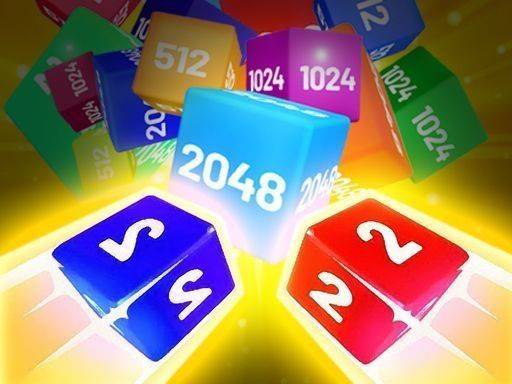
Tile Fusion: Numeric Strategy
What players say
Tile Fusion: Numeric Strategy takes the familiar concept of merging numbers and refines it into a polished, relaxing experience. The clean visual design helps you focus on the puzzle, while the endless mode encourages repeated play without pressure. Strategic depth comes from managing board space and planning merges several moves ahead. It is an excellent choice for anyone looking for a calm yet mentally engaging activity that fits into short breaks or longer sessions alike.
How to play
Core Puzzle Logic
At its heart, this game revolves around combining matching numbers on a grid. Players slide tiles in four directions; whenever two tiles with the same value touch, they fuse into a single tile with a doubled number. This simple rule creates a rich layer of strategic depth, as every move affects the arrangement of remaining tiles. The challenge lies in anticipating how each swipe will reshape the board and planning sequences that keep the grid from filling up.
Endless Play and Personal Goals
Unlike level-based puzzles, this game offers an ongoing mode with no fixed endpoint. The objective is to keep merging tiles for as long as possible, aiming to produce the highest value tile you can. Each round ends only when the grid becomes completely full with no possible merges left. This structure encourages players to focus on incremental improvement, trying to beat their own best scores and tile records over time.
Visual Design and Accessibility
The interface uses clean, bright colors and clear typography to make each tile easy to read at a glance. The design avoids clutter, allowing players to concentrate on the puzzle itself. This straightforward visual style also makes the game approachable for younger players or those new to logic puzzles, while still offering enough complexity for experienced enthusiasts.
Strategic Thinking and Space Management
Success depends on careful board management. Keeping high-value tiles grouped in one area helps maintain control, while clearing low-value tiles opens room for larger combinations. Players must think several moves ahead, weighing the cost of each placement. The game rewards patience and foresight rather than speed, making it a relaxing yet engaging activity for short breaks or extended play sessions.






Comments
Sign in to comment
You must be logged in before posting a review or rating.
No account? Create one
No comments yet. Be the first to comment!