
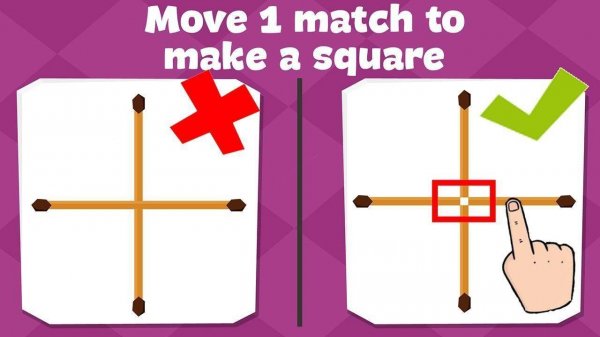
Bright Thinker Logic Puzzles
What players say
Bright Thinker Logic Puzzles succeeds by making thinking fun. The puzzles are short enough to play during a coffee break but clever enough to spark genuine curiosity. I particularly enjoyed the wordplay sections, which required me to read carefully and consider multiple meanings. The absence of timers removes all pressure, allowing me to experiment freely. The visual design is clean and cheerful, with subtle animations that reward correct answers. While some puzzles felt too easy, the variety keeps the experience fresh. This is a perfect game for parents looking to share a thoughtful activity with their children or for anyone who enjoys a calm mental challenge.
How to play
Core Puzzle Philosophy
Bright Thinker Logic Puzzles stands apart from typical brain teasers by emphasizing lateral thinking over rote knowledge. Each puzzle presents a situation that requires players to question assumptions. For instance, a simple image might hide a clue in its background, or a phrase might have a double meaning. The game avoids math or memorization, focusing instead on how players interpret information. This approach makes each level feel like a small discovery rather than a test. The puzzles are designed to surprise, often rewarding those who try unconventional interactions. There is no penalty for wrong answers, so experimentation is encouraged. The interface remains clean and uncluttered, ensuring that distractions do not interfere with the thought process.
Visual Style and Atmosphere
The game uses bright colors and friendly character illustrations to create a welcoming environment. Each puzzle is presented on a clean background with minimal text, allowing players to focus on the core challenge. The visual cues are subtle but deliberate; a small arrow might point to an interactive element, or a color change might signal progress. Animations are smooth and brief, providing feedback without slowing down the experience. The overall aesthetic is cheerful and modern, appealing to both children and adults. Sound effects are optional but add a layer of satisfaction when a solution is found. The design philosophy ensures that the game feels like a playful conversation rather than a rigid test.
Progression and Variety
Levels are organized into themed groups, each introducing a new type of thinking challenge. Early puzzles focus on observation, requiring players to notice small details. Later groups introduce wordplay and pattern recognition, gradually increasing complexity. The game does not use a linear difficulty curve; instead, it mixes easier and harder puzzles to keep players engaged. Hints are available for each puzzle, but they are designed to nudge rather than give away the answer. Completing a group unlocks a special bonus puzzle that combines elements from previous levels. This structure ensures that players always have something new to explore without feeling overwhelmed.
Family-Friendly Design
Bright Thinker Logic Puzzles is built for shared play. Adults and children can solve puzzles together, discussing possible solutions without time pressure. The content avoids any mature themes, making it suitable for all ages. Controls are simple: tap to select, swipe to move, and drag to combine objects. The game includes a progress tracker that shows completed puzzles without revealing solutions. Parents can use the game as a tool to encourage creative thinking in children. The lack of ads or in-app purchases during gameplay ensures an uninterrupted experience. This focus on accessibility and safety makes it a reliable choice for family entertainment.
Tips for Enjoying the Experience
Approach each puzzle with an open mind. If a solution does not come immediately, try interacting with every element on the screen. Sometimes the answer involves an unexpected gesture, like tapping twice or swiping in a specific direction. Taking a short break and returning later can help reset your perspective. The game rewards patience, so avoid rushing through levels. Sharing puzzles with friends can lead to interesting discussions about different approaches. The most important tip is to enjoy the process of discovery rather than focusing solely on completion. Each puzzle is a small story waiting to be solved.




Comments
Sign in to comment
You must be logged in before posting a review or rating.
No account? Create one
No comments yet. Be the first to comment!