
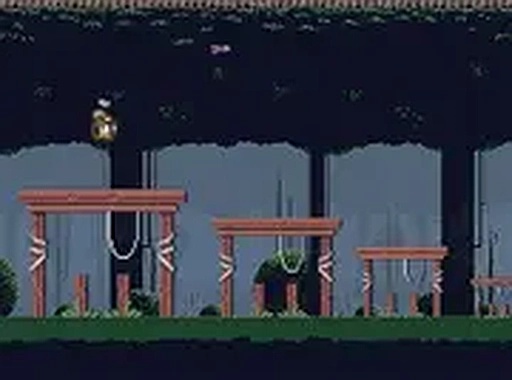
Split Second Dash: Precision Platformer
What players say
Split Second Dash stands out by making its time limit a core puzzle element rather than just a stress factor. The ricochet mechanic adds depth to each stage, forcing you to consider angles and surface interactions before firing. Obstacles are introduced at a comfortable pace, and the pixel art keeps the screen readable during fast play. The lack of a tutorial may frustrate some, but the early levels serve as a gentle introduction. Overall, this is a tight, rewarding experience for anyone who enjoys precision-based platformers with a strategic twist.
How to play
Core Time Pressure
Split Second Dash centers on a simple but demanding rule: every stage must be completed within 15 seconds. This strict limit forces you to plan each move before you act. Instead of rushing blindly, you must read the layout, predict how your projectile will bounce, and commit to a path. The short duration means there is no room for hesitation, yet the game rewards deliberate, measured actions over frantic tapping.
Bouncing Shots & Environmental Triggers
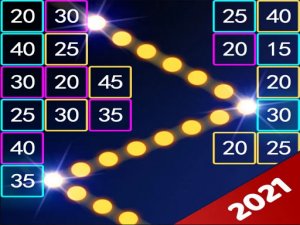
Your primary tool is a projectile that can ricochet off walls and surfaces. The angle at which you fire determines how the shot travels, and many stages require you to bank shots around corners or off ceilings to hit distant targets. Some surfaces act as triggers, opening gates or activating moving platforms when struck. Mastering the bounce patterns is essential for progressing through later levels where obstacles become more intertwined.
Obstacle Variety & Stage Layouts
Each stage introduces a new combination of hazards. You will encounter moving barriers that shift position at set intervals, surfaces that alter the trajectory of your projectile, and sections that require precise timing to cross safely. The pixel art style keeps the visual clutter low, so you can focus on the spatial puzzle in front of you. Early stages teach the basics, while later ones layer multiple mechanics together for a steeper challenge.
Replay Value & Skill Refinement
Because each stage is short, retrying a failed attempt takes only seconds. This encourages repeated runs to find the most efficient route or to shave off a fraction of a second from your completion time. The game does not punish failure harshly, letting you experiment with different angles and approaches. Over time, your ability to read stage layouts and anticipate bounce paths improves naturally through practice.




Comments
Sign in to comment
You must be logged in before posting a review or rating.
No account? Create one
No comments yet. Be the first to comment!