
Tile Grid Pattern Challenge
What players say
Tile Grid Pattern Challenge stands out for its elegant simplicity and well-paced difficulty curve. The core mechanic of shifting rows and columns is easy to learn but offers surprising depth as patterns grow more complex. The minimal interface keeps distractions at bay, letting players focus entirely on the logic. Hints are available for tough spots but never feel intrusive. This is a perfect pick for puzzle fans looking for a calm, rewarding experience without timers or pressure.
How to play
Core Concept
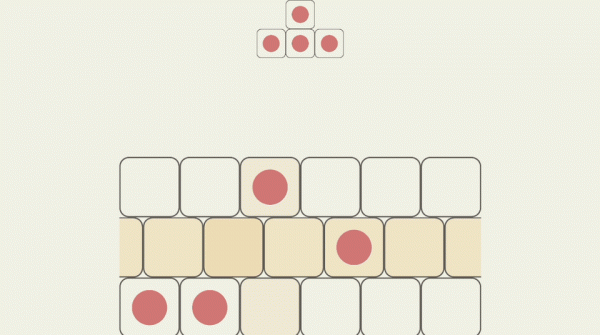
Tile Grid Pattern Challenge presents a straightforward objective: transform a scrambled arrangement of blocks into a specific shape shown at the top of the screen. Players shift entire rows or columns one step at a time, with each move altering the layout in a predictable way. The challenge lies in sequencing these shifts efficiently, as a single misstep can set progress back several moves. This type of puzzle emphasizes spatial awareness and sequential logic, rewarding those who think several steps ahead.
Puzzle Design Philosophy
The puzzles are built around the idea of incremental difficulty. Early levels introduce simple patterns that require only a few moves, allowing newcomers to grasp the mechanics without frustration. Later stages present more complex shapes that demand deeper analysis and longer sequences. The difficulty curve is gentle, ensuring that players build confidence before tackling tougher configurations. This design approach makes the game accessible to casual players while still offering a satisfying challenge for experienced puzzlers.
Visual and Interface Choices
The interface is intentionally minimal, with a clean grid and clearly defined target area. Colors are soft and muted to reduce visual strain, allowing players to focus entirely on the logical relationships between blocks. The absence of timers or score multipliers reinforces the game's relaxed pace. Every element on screen serves a functional purpose, with no distracting animations or decorative flourishes. This clarity helps players quickly assess the current state and plan their next move without confusion.
Progression and Replay Value
As players advance, new pattern types are introduced that require different approaches. Some puzzles may be solved most efficiently by working from the edges inward, while others benefit from focusing on a central cluster of blocks. The game does not penalize mistakes, encouraging experimentation. After completing a puzzle, players can revisit it to try for a lower move count, adding a light layer of replayability. This structure keeps the experience fresh without overwhelming the player with too many mechanics at once.
Support for All Skill Levels
For those who find themselves stuck, an optional hint system can provide guidance without giving away the entire solution. Hints typically highlight which row or column to move next, leaving the player to figure out the exact sequence. This approach preserves the sense of accomplishment that comes from solving a puzzle independently. The game also tracks progress across sessions, so players can step away and return later without losing their place. These features make the game suitable for short play sessions or longer focused sessions alike.



Comments
Sign in to comment
You must be logged in before posting a review or rating.
No account? Create one
No comments yet. Be the first to comment!