
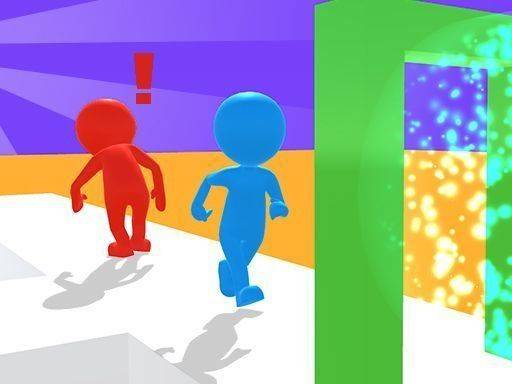
Silent Exit: Hide and Seek Puzzle
What players say
Silent Exit: Hide and Seek Puzzle offers a refreshing take on puzzle games by focusing on timing and observation rather than speed or reflexes. The room designs are varied enough to keep players engaged, and the simple controls make it accessible for all ages. The lack of time pressure allows for thoughtful planning, and the forgiving restart system encourages experimentation. While it may not offer deep complexity, its clean presentation and satisfying escape moments make it a solid choice for family game time.
How to play
Core Gameplay Loop
Players control a small character navigating through a series of rooms. The objective is to reach the exit of each area without being noticed by patrolling figures. Success depends on observing movement patterns and choosing the right moment to move. Hiding behind furniture or in corners provides temporary safety while waiting for a clear path. The game rewards patience over speed, as rushing often leads to being seen.
Room Layouts and Obstacles
Each level offers a distinct arrangement of furniture, walls, and open spaces. Patrolling figures follow set routes, creating dynamic challenges that change as players progress. Some rooms may have multiple figures with overlapping paths, requiring more careful planning. The variety in room designs keeps the experience fresh, as no two layouts feel identical.
Controls and Interaction
Movement is handled through simple taps or swipes, making the game accessible to players of all ages. The responsive controls allow for precise positioning, which is important when squeezing into tight hiding spots or timing a dash across an open area. The interface is clean and uncluttered, focusing attention on the character and the environment.
Visual Style and Atmosphere
The 3D graphics present each room with clear, bright colors and simple shapes. This visual approach makes it easy to identify hiding spots and track patrolling figures. The overall tone remains light and playful, with no intense or scary elements. The design supports the game's focus on observation and strategy rather than action.
Learning and Progression
Early levels introduce basic concepts like hiding and waiting, while later stages combine multiple patrolling figures and more complex room layouts. Players learn by trying different approaches, and being detected simply means restarting the level. This trial-and-error method encourages experimentation without punishment, building understanding of timing and route planning.








Comments
Sign in to comment
You must be logged in before posting a review or rating.
No account? Create one
No comments yet. Be the first to comment!