
Panda Grocery Empire: From Field to Shelf
What players say
Panda Grocery Empire succeeds where many kids' games fail—it teaches resource management without pressure. The farming loop is satisfying, with visible progress as fields expand and animals thrive. Shop management adds a layer of strategy as players learn to stock popular items. The weasel events provide just enough variety to prevent monotony. Its cheerful art style and lack of timers make it ideal for relaxed play sessions. A well-crafted introduction to business simulation.
How to play
Farm Operations and Crop Cycles
At the heart of the experience lies a detailed farming system. Players prepare soil, sow seeds, and water plants to encourage growth. Each crop follows a realistic timeline from seedling to harvest. Once ready, produce is collected and moved to the shop for sale. The cycle encourages thoughtful planning—deciding which crops to grow based on customer preferences and seasonal availability adds depth without overwhelming younger players.
Animal Care and Product Collection
Beyond crops, the farm hosts a variety of friendly animals. Chickens provide eggs, cows give milk, and beehives yield honey. Each animal requires regular attention, such as feeding and cleaning, to maintain productivity. This element introduces responsibility and routine, teaching players about the rewards of consistent care. The visual feedback—happy animals producing more goods—reinforces positive habits.
Shop Management and Customer Service
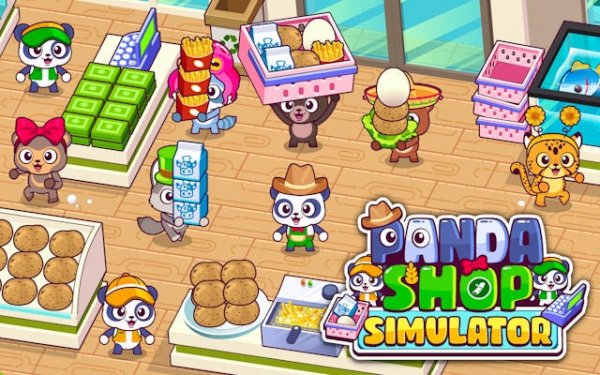
The store side of the game focuses on presentation and efficiency. Players arrange products on shelves, set prices, and handle customer transactions. Hiring panda assistants streamlines operations, allowing the player to focus on expansion. The shop grows from a small stall to a well-stocked market, with upgrades that improve storage, display, and checkout speed. Balancing inventory with demand keeps the experience engaging.
Daily Goals and Surprise Events
A mischievous weasel occasionally appears, causing minor disruptions like knocking over displays or stealing goods. Responding quickly prevents losses and adds a light challenge. Meanwhile, daily tasks and achievement milestones provide clear objectives, rewarding players with coins for completing specific actions. These goals guide progression and give a sense of accomplishment without strict time pressure.
Upgrades and Business Growth
Coins earned from sales fund a variety of improvements. Upgrading tools like watering cans and hoes speeds up farm work. Expanding land opens new plots for crops and animal pens. Shop enhancements include better shelves, faster checkout counters, and decorative items that attract more customers. Reinvesting profits is key to steady growth, and the upgrade paths offer meaningful choices that affect gameplay style.
Visual Style and Accessibility
The game uses bright, friendly graphics with soft colors and expressive character animations. Menus are simple, icons are clear, and text is minimal, making it easy for young children to navigate. The absence of timers or penalties for mistakes creates a stress-free environment. This design ensures that players of different skill levels can enjoy the simulation at their own pace.







Comments
Sign in to comment
You must be logged in before posting a review or rating.
No account? Create one
No comments yet. Be the first to comment!